
Preschool Learning Activities You Can Do at Home (Ages 3–5)
- The Little Ones Hub
- 13 ene
- 3 Min. de lectura

The preschool years are a truly special stage of development — filled with curiosity, imagination, and rapid learning. Between ages 3 and 5, children are building the foundational skills that will support reading, writing, math, emotional regulation, and social interaction for years to come.
You don’t need much to support your child’s learning—just patience, presence, and a willingness to learn through play together. During these early years, children learn best through play, conversation, exploration, and everyday moments. With simple, intentional activities, your home can become a powerful space for learning.
Below, you’ll find practical, meaningful preschool learning activities you can easily do at home to support your child’s overall development
Literacy & Language Activities

📚 Daily Interactive Reading
What to do:Read with your child for 15–20 minutes each day. Pause to ask questions about the story, talk about the illustrations, point to words, and encourage predictions about what might happen next.
Why it matters:Builds vocabulary, comprehension, attention span, and a genuine love for books.
Tip:Let your child choose the books — ownership increases engagement.
✏️ Beginning Sounds Game
What to do:During daily routines, identify beginning sounds of familiar objects.Example: “Ball starts with B” or “What sound does apple begin with?”
Why it matters:Strengthens phonological awareness, a key skill for early reading and writing.
🎭 Puppet Storytelling
What to do:Create simple puppets using socks or paper bags. Act out stories or invent new ones together.
Why it matters:Encourages expressive language, sequencing, creativity, and social communication.
Early Math Activities
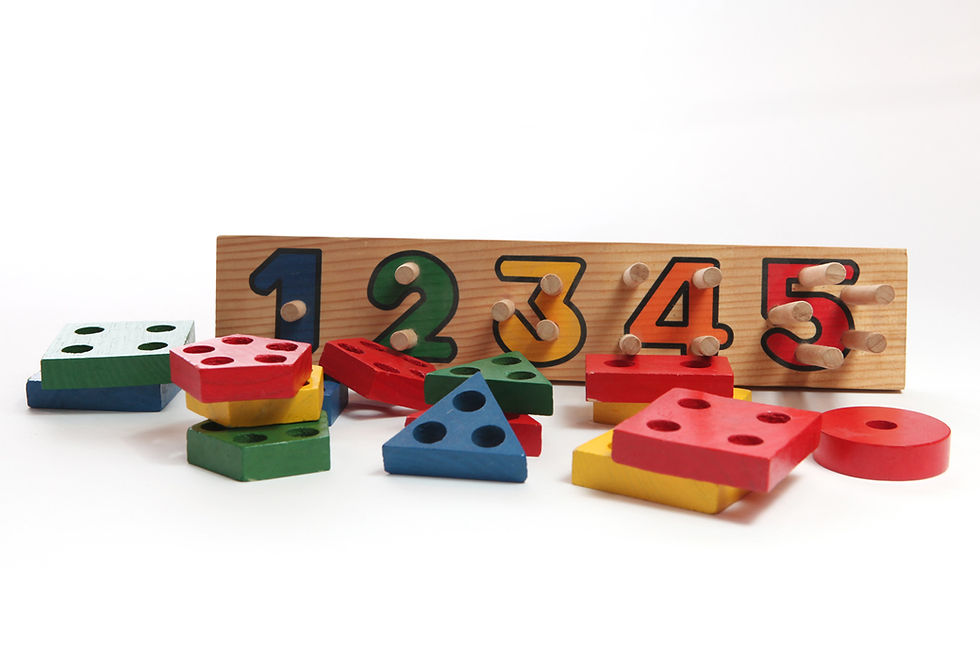
🔢 Sorting & Counting with Everyday Objects
What to do:Use buttons, pasta, blocks, or small toys. Ask your child to sort them by color, size, or shape, then count each group.
Why it matters:Develops number sense, classification, logical thinking, and early math concepts.
🍪 Kitchen Math
What to do:Invite your child to help with simple cooking tasks — counting ingredients, measuring cups, dividing portions.
Why it matters:Introduces measurement, quantity, sequencing, and following directions in a real-life context.
🎲 Simple Board & Table Games
What to do:Play games that involve counting spaces, recognizing numbers, or matching shapes.
Why it matters:Supports math skills, turn-taking, problem-solving, and patience.
Science & Exploration Activities

🔬 Sensory Exploration Station
What to do:Create a sensory bin using rice, sand, water, shaving cream, or gelatin. Add cups, spoons, funnels, and containers.
Why it matters:Stimulates sensory processing, fine motor skills, and early scientific thinking.
🌱 Observation Garden
What to do:Plant seeds in a clear jar or small pot. Observe growth daily and record changes through drawings.
Why it matters:Teaches life cycles, responsibility, patience, and observation skills.
🌈 Simple Experiments
What to do:Mix colors with water, freeze objects in ice, or create simple reactions using baking soda and vinegar.
Why it matters:Introduces cause-and-effect relationships and scientific curiosity.
Motor Skills & Coordination Activities

✂️ Arts & Crafts Time
What to do:Offer materials like child-safe scissors, glue, paper, paint, and crayons. Allow free creation.
Why it matters:Strengthens fine motor skills, creativity, and self-expression.
🧵 Stringing & Lacing
What to do:Create necklaces with pasta or beads, or lace cardboard with holes.
Why it matters:Improves hand strength, coordination, and concentration.
🏃 Indoor Obstacle Courses
What to do:Use pillows, chairs, and tape to create paths for crawling, jumping, and balancing.
Why it matters:Develops gross motor skills, balance, and motor planning.
Social & Emotional Learning Activities

😊 Emotion Recognition Game
What to do:Use mirrors, drawings, or story characters to identify and name emotions.
Why it matters:Builds emotional awareness, empathy, and emotional vocabulary.
🤝 Role Play & Dramatic Play
What to do:Set up pretend spaces like a store, kitchen, doctor’s office, or classroom.
Why it matters:Supports social skills, cooperation, problem-solving, and language development.
Music & Rhythm Activities

🎵 Home Music & Movement
What to do:Create simple instruments using recycled materials. Sing, clap, and dance together.
Why it matters:Enhances rhythm, coordination, auditory awareness, and creative expression.
Tips for Success at Home
Follow your child’s interests: Engagement drives learning
Focus on the process, not perfection
Create simple routines: Predictability builds confidence
Limit screen time: Prioritize hands-on play
Be patient: Development happens at different paces
Preschool learning at home doesn’t need to feel overwhelming or structured like a classroom. When children learn through play, conversation, movement, and exploration, they naturally develop the skills they need for future success.
These preschool learning activities you can do at home (ages 3–5) are designed to support real development while strengthening your connection with your child.

Comentarios